
Pediatric Oral Surgery in Wall Township, NJ
Timed to Your Child's Growth
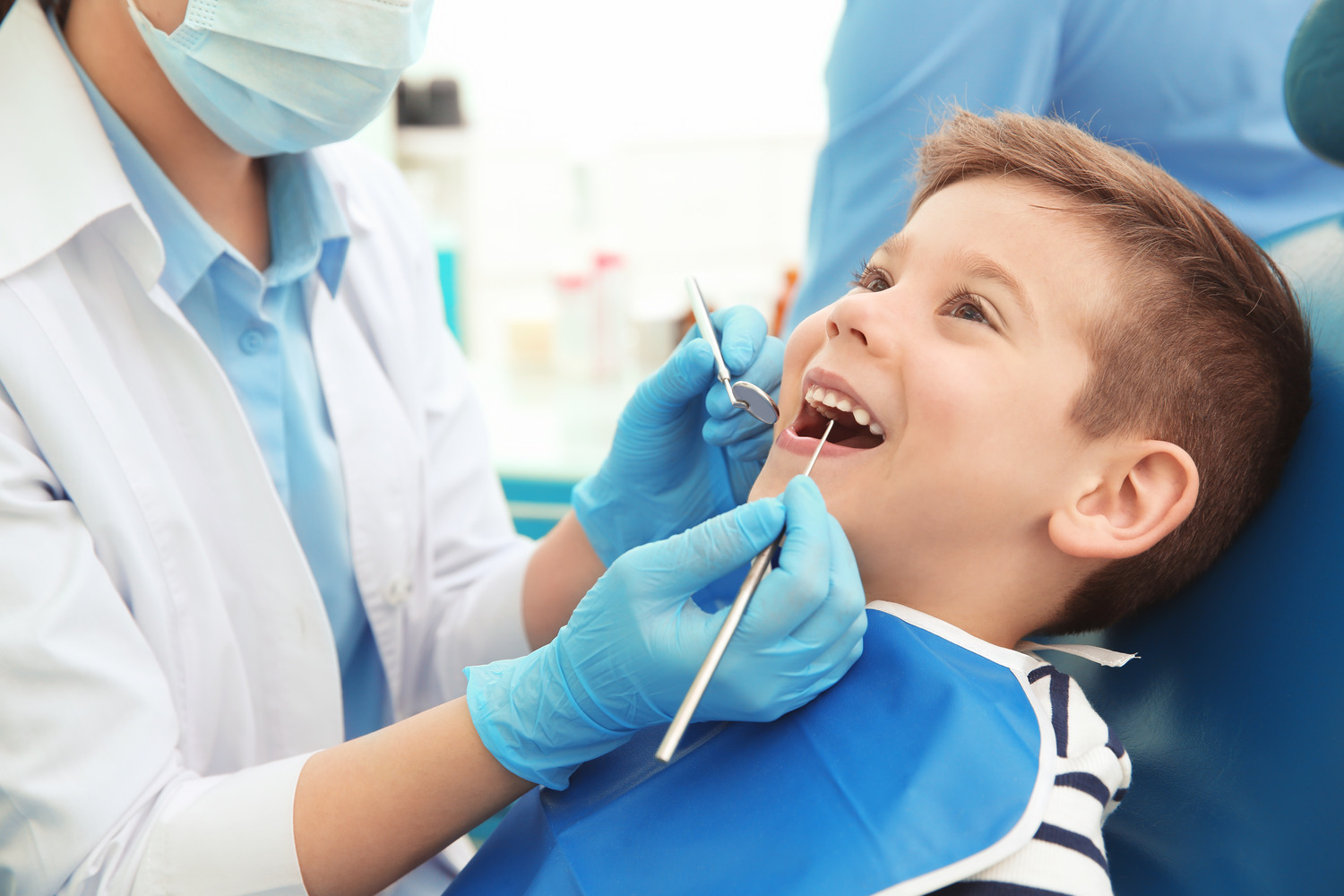
When your child’s dentist or orthodontist mentions an oral surgeon, the questions tend to start right away. Is something wrong? Will it hurt? Does it have to happen now? At The Dailey Center for Oral & Maxillofacial Surgery, we care for children and teens in Wall Township, NJ, who need an impacted tooth uncovered, a stubborn baby tooth removed, teeth taken out to make room for braces, or prompt attention after a fall. Most of these visits are short and happen right in our office. Before anything begins, we’ll answer your questions plainly and make sure you have a clear plan, and we’ll move at a pace your child is comfortable with.
Surgical care for a child works differently than it does for an adult, because the teeth and jaws are still growing. A first visit usually starts with what the referring dentist or orthodontist noticed, followed by an exam and a panoramic X-ray. If we need a closer look, such as exactly where an impacted canine sits next to neighboring roots, we use low-dose 3D imaging and take only the images your child needs. Dr. Marisa Dailey reads all of it against your child’s dental age, meaning how far the roots have formed, rather than their birthday. That tells her whether to treat now or watch and wait. Sometimes timing alone does the work: removing a baby canine at the right moment can let a misdirected adult canine come in on its own. When treatment is needed, she shares the plan with your child’s dentist and orthodontist so each step lines up with braces or aligners.
Parents usually bring two worries through our door. Will my child be comfortable, and are we in the right hands? Comfort options range from local anesthesia and nitrous oxide to oral sedation, and IV sedation may be available for appropriate candidates, such as teens having wisdom teeth removed. On expertise, Dr. Dailey trained at Lincoln Medical Center, a Level I Trauma Center, where she served as Chief Resident, and she has published research on facial injuries in children. That background counts most on the day a bike crash or a stray elbow chips a tooth, knocks one out, or splits a lip or chin, because we can repair facial cuts in our office instead of sending your family to the ER. She’s also a mom, so she knows a calm, unhurried visit matters as much as the procedure itself.
FAQs about Pediatric Treatments
What Is Pediatric Oral Surgery?
It’s surgical care of the teeth, mouth, jaws and face for children and teens, performed by an oral and maxillofacial surgeon trained through at least four years of hospital-based surgical residency, including extensive anesthesia training. Most of it is minor and handled in our office, like uncovering an adult tooth stuck under the gums or removing a baby tooth that refuses to let go. What makes it pediatric is timing. With a jaw still growing, a procedure that makes sense at 12 might be too early at 9.
What Does an Oral Surgeon Do for Children?
A pediatric oral surgeon handles the parts of your child’s dental care that call for surgical skill, advanced imaging or sedation. Oral surgery for children works best as a team effort, alongside your child’s dentist and orthodontist. That means we:
- Diagnose hidden problems, such as impacted or extra teeth, with low-dose 3D imaging
- Treat them surgically, from extractions to uncovering teeth so braces can guide them into place
- Respond to children’s dental injuries, including cuts to the lips and face
Why Would My Child Be Referred to an Oral Surgeon?
Children are usually referred because a dentist or orthodontist found something best handled by a surgical specialist, or wants a closer look with 3D imaging. It rarely means something is seriously wrong. Common reasons include:
- An impacted adult tooth, most often an upper canine
- A baby tooth that won’t come out, including one fused to the bone
- An orthodontic plan that calls for removing premolars
- Impacted or painful wisdom teeth
- A bump or sore that needs a biopsy
- An injury, infection, or jaw pain and clicking
What Procedures Are Included in Oral Surgery for Kids?
These are the procedures we perform most often for children and teens, each timed around your child’s growth and part of the surgical care we provide for patients of all ages:
- Exposure and bracketing, uncovering an impacted tooth and attaching a small bracket so the orthodontist can guide it into place. Earlier is better, since eruption gets less likely with age
- Orthodontic extractions, typically premolars, to relieve crowding
- Baby tooth extraction for teeth that won’t come out or block adult teeth
- Teen wisdom teeth removal, planned around root development and nerve position
What Are the Signs My Child May Need to See an Oral Surgeon?
Watch for these at home, since checkup X-rays catch the rest:
- A baby tooth still in place while the adult tooth comes in behind it (“shark teeth”)
- An adult tooth that’s very late, or arrived on one side only
- Swelling, a bump on the gums, or tooth pain with fever
- Jaw pain, clicking, or a bite that feels off after a fall
Facial swelling with fever, or any trouble swallowing or breathing, needs emergency care right away.
If Your Child Knocks Out a Tooth
- Find the tooth and hold it by the crown (the white part), never the root.
- If it’s dirty, let water gently run over the tooth. Don’t scrub it.
- If it’s an adult tooth, gently place it back in the socket and have your child bite on clean gauze or cloth. If you can’t, keep it in a cup of milk or your child’s saliva so it doesn’t dry out.
- Call us right away. Results are best when the tooth is back in place within 15 to 30 minutes. If we’re closed, go to an emergency room or another dentist right away.
Never put a knocked-out baby tooth back in, since that can damage the adult tooth developing underneath. Your child should still be seen. If your child hit their head, lost consciousness, or is dizzy, vomiting or has a headache, go to the emergency room first.
How Early Can Problems with a Child's Teeth or Jaw Be Identified?
Many problems can be spotted years before symptoms appear. A rough guide:
- By age 1: a first dental visit, as pediatric dentists recommend
- Ages 6 to 7: crowding, crossbites, and missing or extra teeth start to show, which is why orthodontists recommend a first orthodontic check-up no later than age 7
- Ages 11 to 12: X-rays usually show whether the upper canines are on track
- Ages 15 to 16: the ideal time for a wisdom teeth evaluation, while the roots are still forming. We strongly encourage families to schedule this visit during that window.
You’ll need a referral from your child’s dentist for most visits. Wisdom teeth evaluations are the exception: you can call us directly to schedule one, no referral needed.
How Does an Oral Surgeon Evaluate a Child's Developing Teeth and Jaw?
Evaluation combines a conversation, a careful exam and the right imaging, all read against your child’s stage of growth. Dr. Dailey looks past the teeth to the gums, jaw joints and how the upper and lower jaws line up with the face, because a bite problem rooted in the jaw needs a different plan than one caused by a single tooth. Afterward, we walk you and your child through the images in plain language, then recommend treatment now or a plan to watch and recheck.
How Do You Keep Children Comfortable During Treatment?
We match the comfort option to the procedure, your child’s age and how nervous they feel, and we decide together with you. Sedation for children is never a default. The options include:
- Local anesthesia, which numbs only the treatment area
- Nitrous oxide, or “laughing gas,” for mild relaxation that wears off quickly
- Oral sedation, a medication taken by mouth for extra calm
- IV sedation, which may be available for appropriate candidates, such as teens having wisdom teeth removed
What Does Recovery Look Like for Children and Teens?
Recovery after most minor procedures is short, usually some soreness and mild swelling for a few days, while teen wisdom teeth recovery runs longer. At home, stick with soft, cool foods at first, brush gently around the area as directed, and give pain medicine only as we recommend. Call us if swelling worsens after a few days or bleeding won’t stop. Dr. Dailey will advise you on returning to school and sports, and after an exposure, the orthodontist takes over moving the tooth into place.
How Much Does Surgical Care for Children Cost?
It depends on the procedure, the imaging needed and the comfort option chosen, so we share specific fees after your child’s consultation rather than quoting one price. An extraction under local anesthesia and wisdom teeth removal under IV sedation are very different visits. Our practice is fee-for-service and doesn’t participate with dental insurance networks, but our team submits out-of-network claims as a courtesy so you can pursue whatever reimbursement your plan offers. We’ll review fees with you before any treatment begins.
Why Choose The Dailey Center for Pediatric Treatments
Families come to us for a surgeon whose training lines up with what children need. Dr. Dailey’s years at a Level I Trauma Center and her published work on pediatric maxillofacial trauma make kids’ injuries, from knocked-out front teeth to cut chins, familiar territory. And because we offer a full range of oral and maxillofacial surgery services, the same team can follow your child from an exposure in middle school to a wisdom teeth evaluation in high school, coordinating with the orthodontist at every step.
Schedule Your Child’s Consultation at The Dailey Center
If your child’s dentist or orthodontist has recommended an oral surgeon, or something about your child’s teeth just seems off, reach out today. Our team at The Dailey Center in Wall Township, NJ, will examine, explain and plan with you, with comfort options matched to your child so the visit stays calm from start to finish. Schedule your child’s consultation with our team or call 732.601.6595 to book a visit.